


Added to your cart
There are no more items in your cart
Rasa Balaišė
Rasa Balaišė is a product designer who creates furniture, accessories, and interior décor. Her work harmoniously combines traditional craftsmanship with cutting-edge digital technologies. For her, each new material is not only a challenge but also an opportunity to explore new creative directions. She designs objects that carry lasting value, delight with their functionality, and enrich spaces with aesthetic harmony.

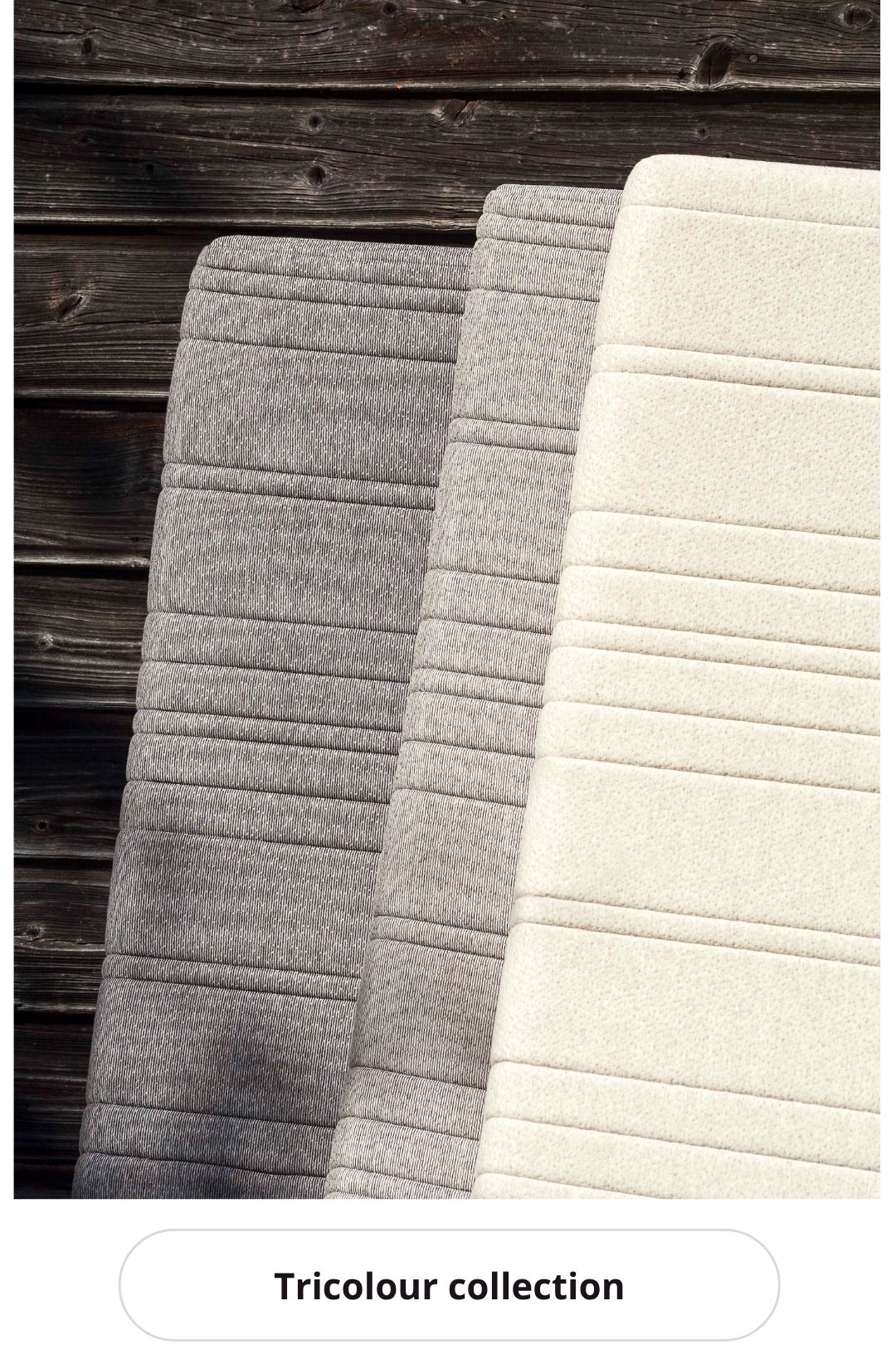
Tricolour collection
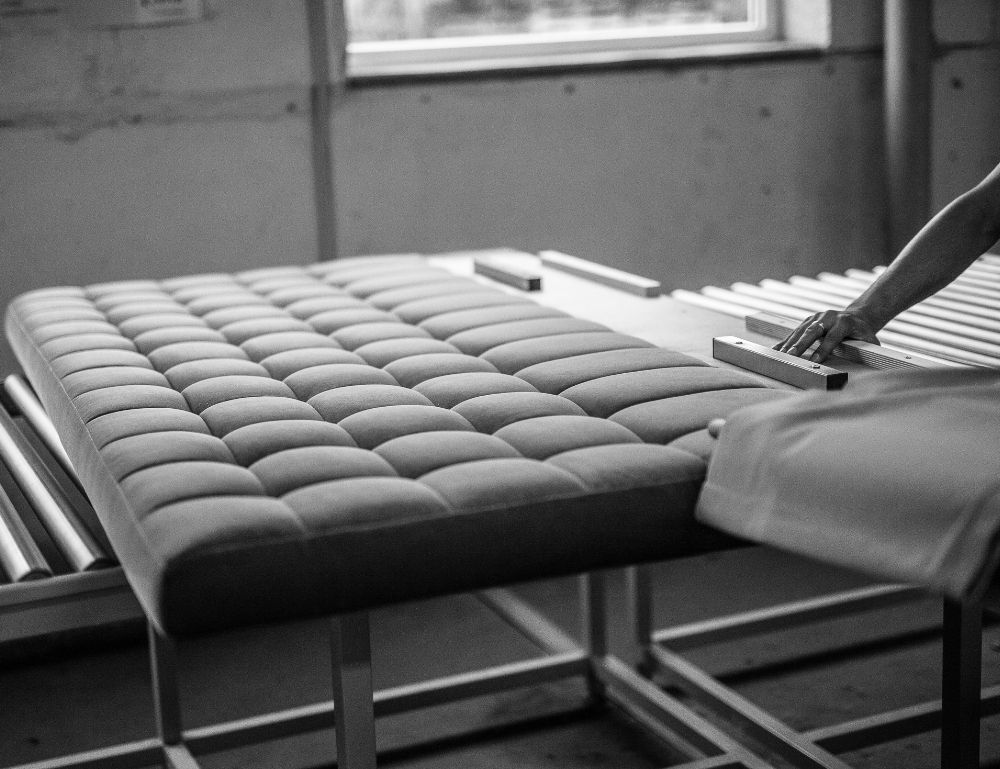
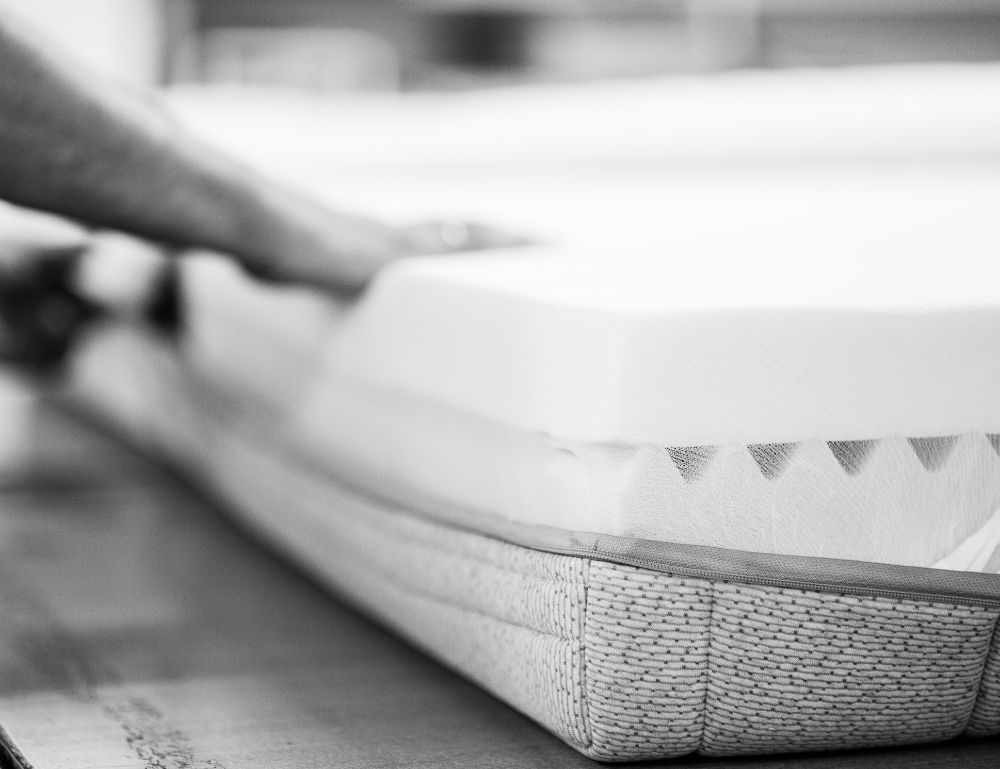
R. Balaišė created the design for the Tricolour mattress collection and a unique fabric developed exclusively for this line, featuring an original quilted pattern.
What makes this project exceptional is that it began with fabric development — a process that demands outstanding expertise and significant investment, one that soft furniture and mattress manufacturers typically avoid. The collaboration between the designer and the LONAS team made it possible to realize an ambitious vision that combines cutting-edge technology with respect for Lithuanian traditions. Natural materials, linen-inspired textures, and subtle lines reminiscent of historical fabrics reveal a balance between contemporary design and cultural heritage. This creative journey also laid the foundation for R. Balaišė’s later works, including the OPERA bed from the Musical Collection, where functionality harmoniously blends with aesthetic value.


Beds
In designing the OPERA bed, R. Balaišė emphasized the tall headboard with rhythmic vertical stitching accents inspired by traditional textiles — a rhythmic motif that first appeared in the Tricolor mattress collection and became part of the collection’s DNA. In contrast, for the RONDO bed, the designer chose a low, wide headboard, giving it a soft, rounded character further enhanced by the rhythm of vertical straps. In these works, a subtle reverence for tradition harmoniously coexists with contemporary forms, while aesthetics blend organically with comfort and function.


R. Balaišė also contributed to the creation of the Products and Musical bed collection catalogues. In these projects, her role extended beyond defining the visual direction and shaping an authentic image — she was engaged in the broader creative process, from developing the concept and selecting locations to assembling the team, making stylistic choices, and sourcing props. “My goal was for the catalogues to serve not only as informational publications but also as examples of artistic and cultural expression,” says designer R. Balaišė.