






Added to your cart
There are no more items in your cart
Peaceful children's sleep – what factors disrupt it?
Peaceful children's sleep – what factors disrupt it?

About a person who sleeps peacefully for a long time, we say – sleeps like a baby. However, many parents can confirm that raising young children often doesn't align with peaceful sleep. LONO experts and GOOD SLEEP CLUB ambassadors explain what factors often cause sleep problems for little ones.
Children's Sleep – What Is It Like?
Newborns sleep between 11 and 18 hours a day. They wake up every 3-4 hours on average because they are simply hungry. Babies do not have a set sleep rhythm in the first few days of life and cannot distinguish day from night. However, around 3-4 weeks, a child's sleep rhythm begins to stabilize, and most 3-month-old babies can sleep through the night without waking up.
What Factors Disrupt Children's Sleep?
Various factors influence children's sleep quality. While it is not easy to control inherited traits, temperament, or the nervous system's influence, parents can significantly improve their child's sleep quality by paying attention to a few simple tips.
1. Excessive Parental Worry Negatively Affects Sleep.
This may sound strange to some parents, but excessive concern for their child can negatively impact the little one's nighttime rest. Unlike adults, when a child falls asleep, they first enter active sleep – the rapid eye movement (REM) phase. During this phase, babies sleep restlessly – they whimper, grunt, smile, make faces, and move around. This is a normal characteristic of infant sleep, but many parents, upon hearing their baby make a noise, immediately pick them up. This disrupts the baby's sleep, and over time, a child who becomes accustomed to falling asleep in their parents' arms may no longer be able to fall asleep on their own.

2. A Mother's Sleep Affects the Baby's Sleep.
Once a baby is born, a mother's daily routine changes. She has to wake up several times during the night, and she may feel exhausted and unrested. However, the decision to say "I'll rest when the child grows up" is not correct, as a lack of sleep in the mother directly affects the baby. Along with mother's milk, the baby receives melatonin, a sleep hormone that helps form a normal circadian rhythm and allows the baby to fall asleep easily at night.

3. Sleep Hygiene – An Essential Element of Good Sleep.
Just like adults, children also require regular sleep hygiene. A lack of sleep hygiene prolongs the time it takes to fall asleep and decreases sleep quality. Therefore, it is recommended that the little one goes to bed at the same time every night.
Having a regular bedtime routine will help the child fall asleep on time – bathe the child an hour before sleep, brush their teeth, dress them in nightwear, get them into bed, and read a story. This daily routine will help the child's body recognize that it's time for bed.
4. The Baby's Crib Is Only for Sleeping.
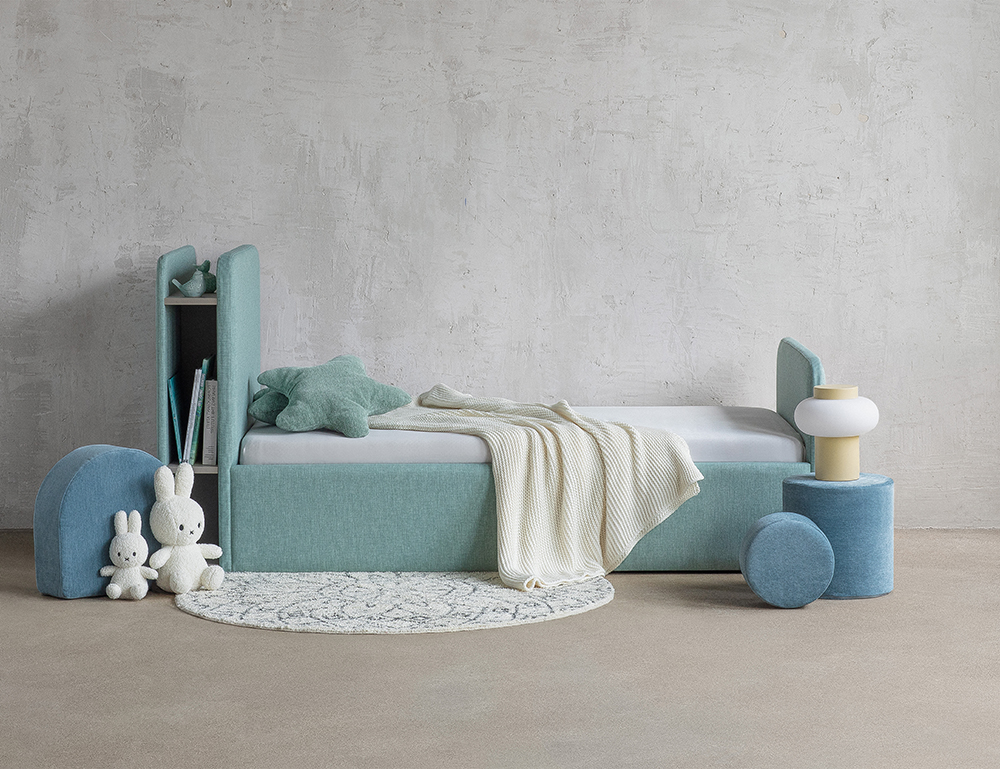
Just like adults, a child's bed is meant only for sleep. Parents often make the mistake of filling the crib with various toys. When a baby is put to bed, they need to understand that this is a place for sleeping, not for playing.
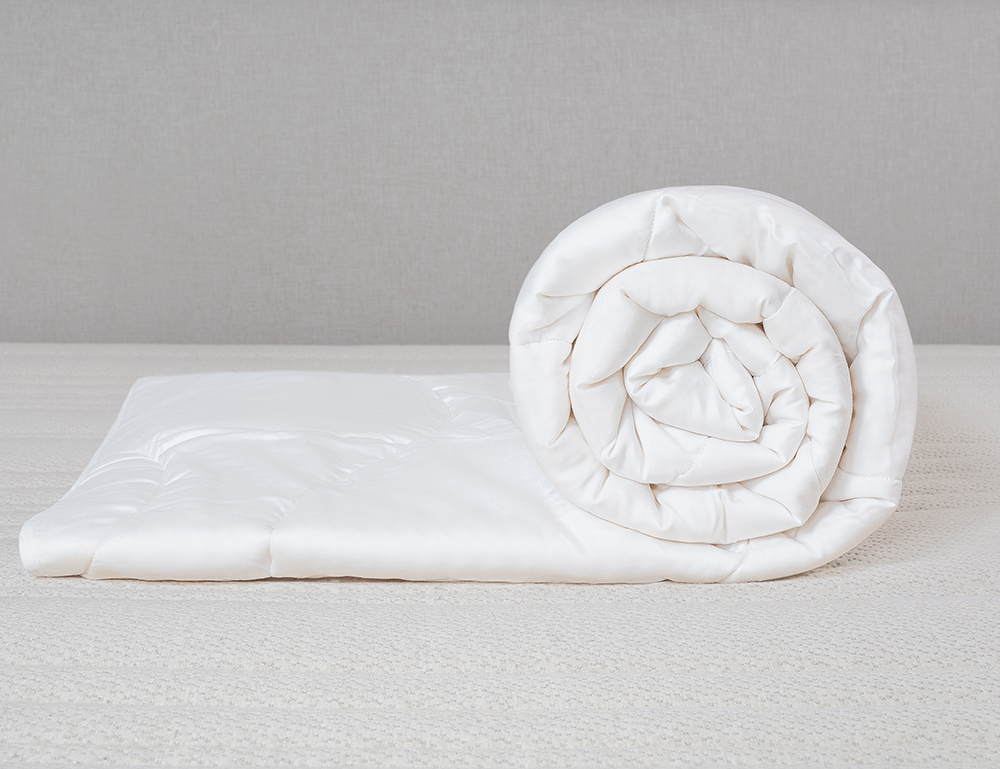
It is also important to remember that, just like adults, children need a proper sleeping environment. The room should be ventilated, not too hot, and the baby should be covered with natural fiber bedding.

5. Imagination Causes Anxiety.
Children's imagination is very vivid, and they can quickly start talking to their favorite toy or convince their parents that monsters are hiding under the bed. For this reason, parents should be careful with what they say to children before bed. Even slightly scary stories can have a negative impact. Once in bed, the child will remember the monsters, causing them to feel afraid of falling asleep. This leads to restless sleep, and the child may have nightmares.

Children's Sleep – Important for Normal Development
Restless children's sleep not only disrupts parents' rest, but can also become a reason for developmental issues in the child. Therefore, we should carefully observe a child's sleep routine and eliminate any factors that may disrupt their peaceful and high-quality sleep.

Read more on the LONO Facebook group: GOOD SLEEP CLUB

